
Above the Line
Above the Line was an immersive performance about gentrification in Amsterdam-Noord. You walk around a film studio that's making a documentary about it, help out, and at the end watch yourself back, cut into someone you're not.
The subject was the neighbourhood, but above all how the neighbourhood gets talked about. This performance lets that happen to you. Seven actors play their own agendas at the same time, so nobody can see everything and everyone builds their own version of the evening. Meanwhile the rooms do some of the telling, through documents and personal belongings that give the studio a past. And at the very end waits a documentary in which all your good intentions turn out to have been edited just a little differently.
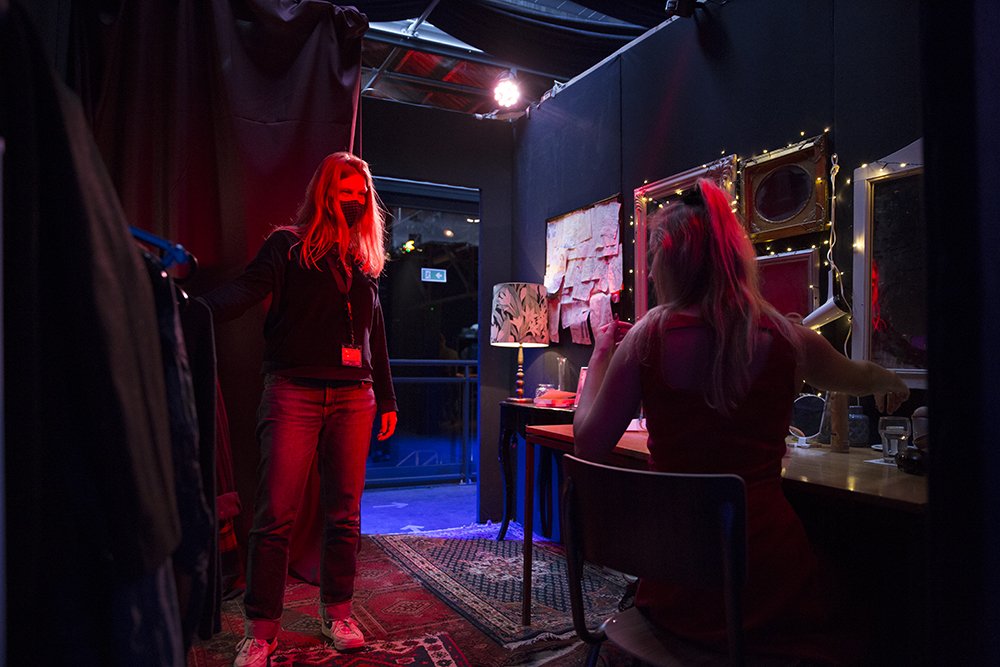
You get a job
The performance starts with a job interview. You get a task for the documentary and the name of someone to report to, and with that we give you a reason. A reason to step into a room, to speak to someone, to go stand in the middle of things. An audience without a role lingers in the doorway (I do too), but here you had a stake in the production.
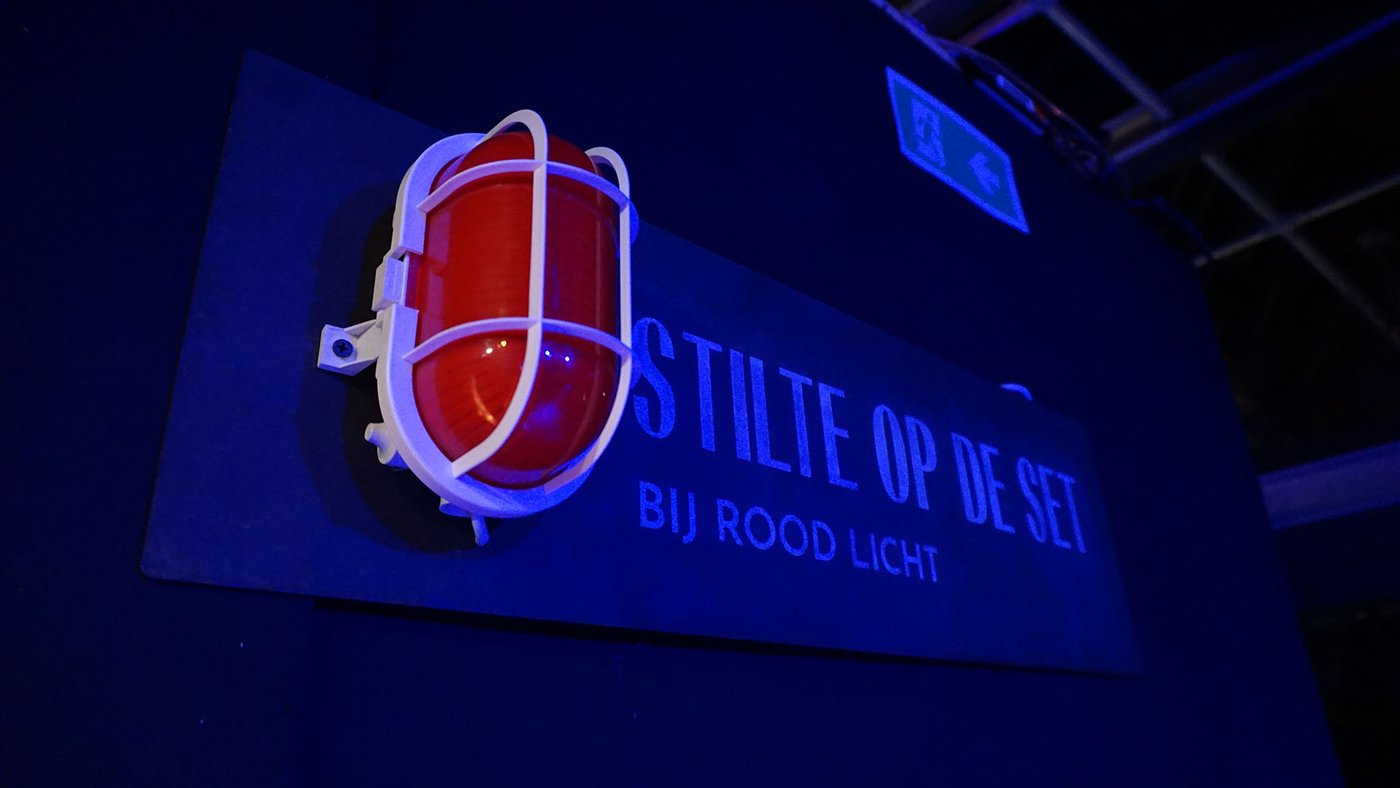
Seven agendas at once
Seven studio employees, each from a different corner of the neighbourhood, each with their own interests and their own script. Everything plays out simultaneously, so where you happened to be standing decides what you experienced. Afterwards it turns out everyone saw a different evening, and that's where the real conversation starts: who missed which piece, and how sure your own version really is.
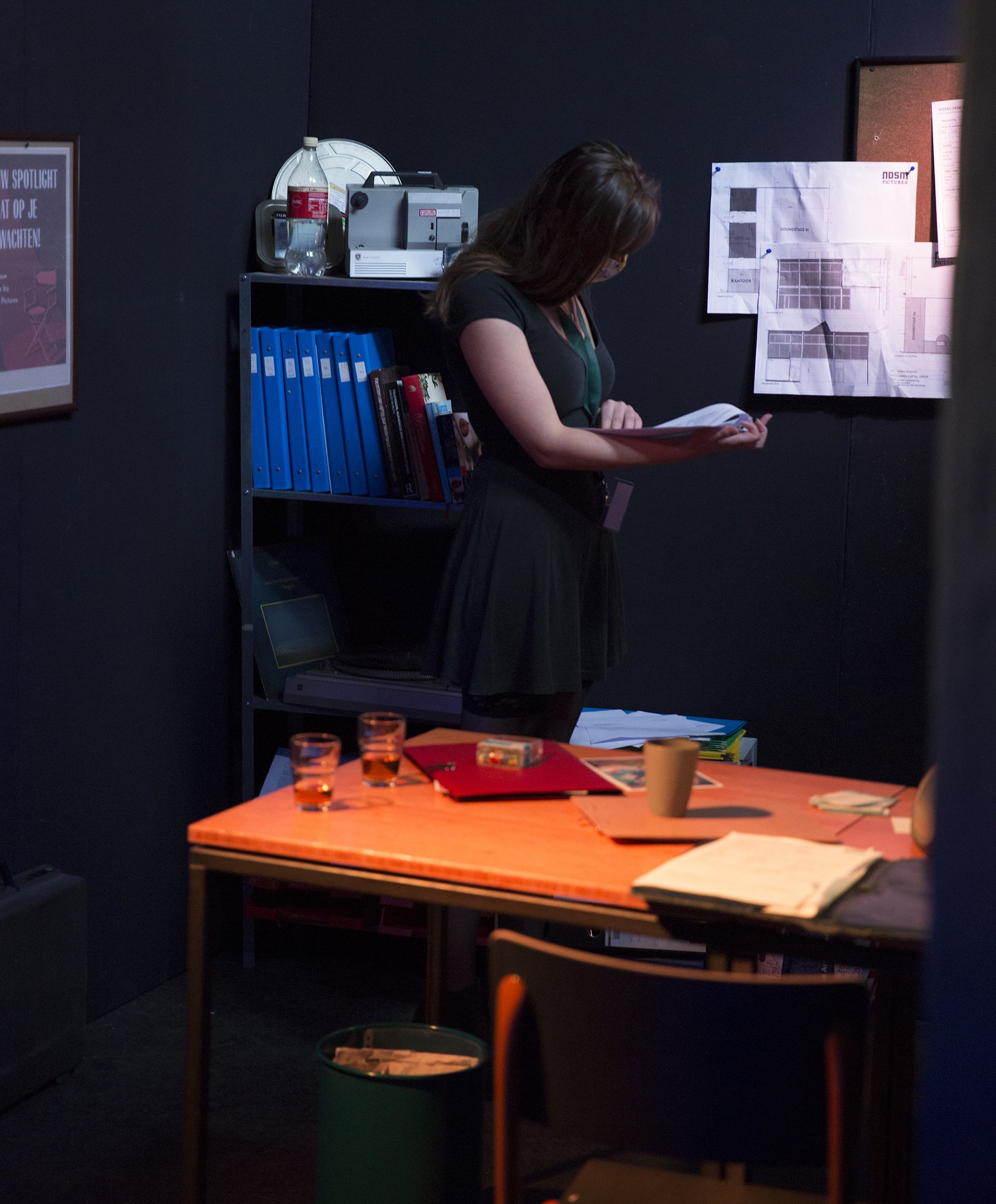
Rooms with a past
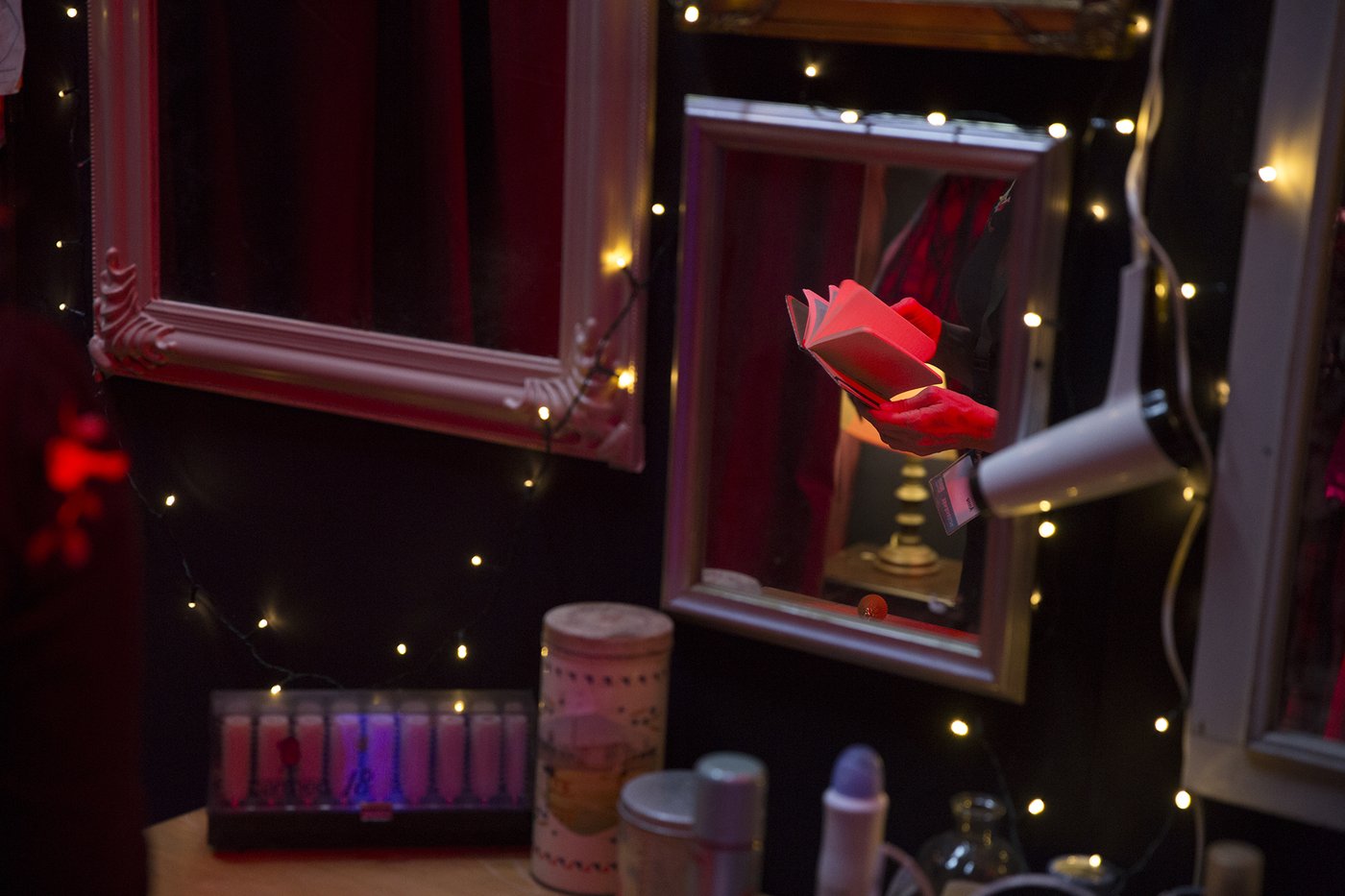
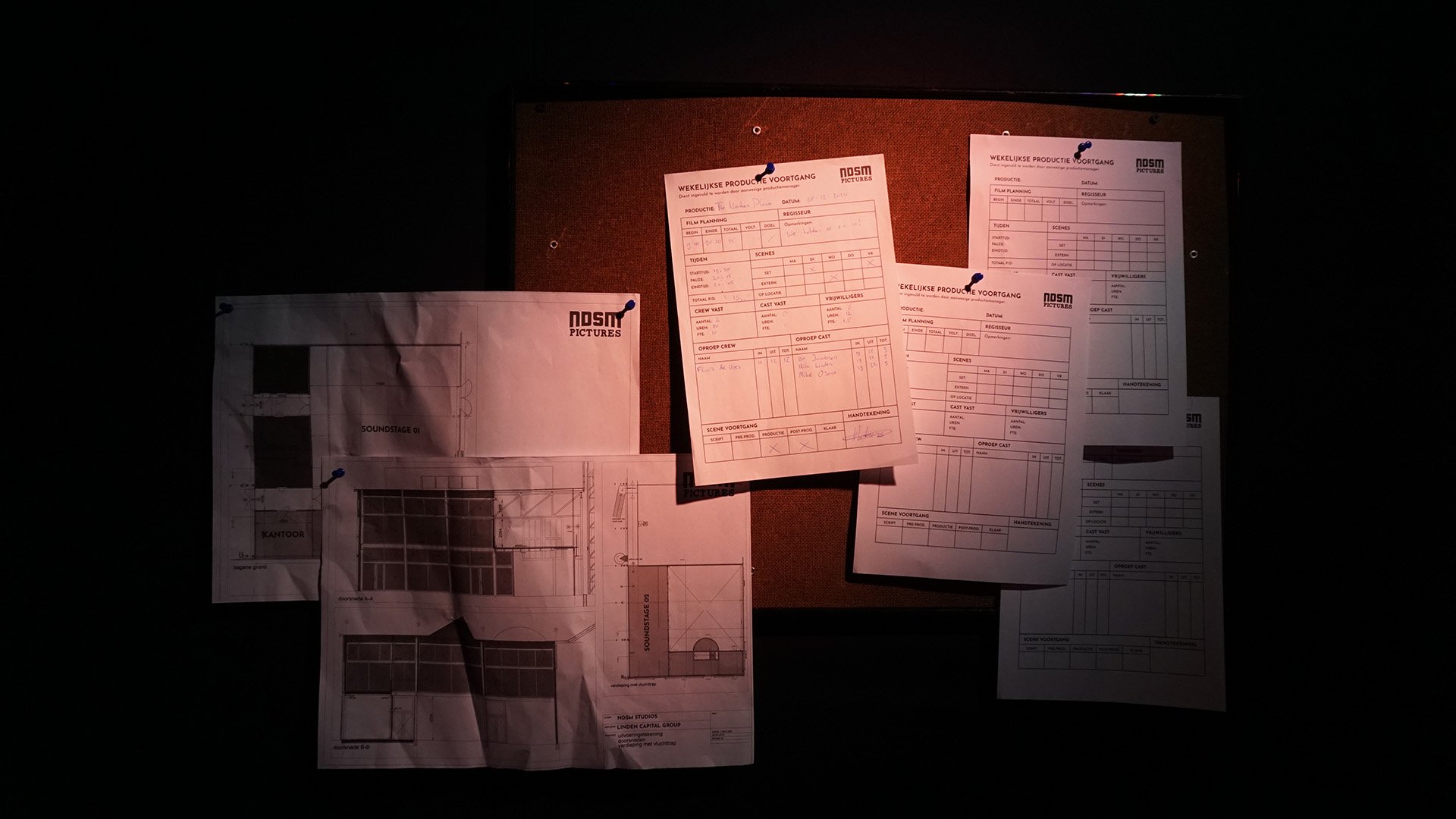
Every room holds documents, notes and personal belongings that give the studio and its people a background. If you go snooping, you find context no character ever says out loud: old plans, arguments on paper, dreams on a pinboard. That way there's something to do even when nothing's happening in your room for a moment.
A sixty-page script, on the clock
Seven storylines that have to converge at fixed moments, with no director who can step in. The solution was in the air: every room got its own soundtrack, with audio cues hidden inside that told the actors how far along the evening was. For the audience, atmosphere. For the actors, a clock.
The edit
The documentary you're shown at the end was recorded during the performance and deliberately edited out of context, your contribution included. Whatever you said, however well you meant it: on screen, you've become someone else. Watching it back with the others who were in the recording, you see the contrast, and that's what sparks the closing conversation.